Our Vision for Rites of Passage Contributing to Positive Social Change
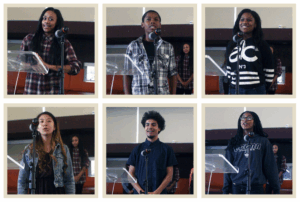
One of the key elements of The World As It Could Be curriculum is having the youth prepare a culminating presentation for their school or organization and its extended community, to express their ideas about the significance of the UDHR and its connection to their lives. This culminating presentation provided a basic Rite-of-Passage-like experience, in that the youth would go through the major effort of transforming what they had learned into a vital message to their community.
Meeting Frederick Marx in 2012 provided additional perspective on why this rite-of-passage-like experience was so significant to the participating youth and adults involved in their learning process. Since producing the documentary Hoop Dreams in 1994, Frederick had been doing extensive work around the importance of rites of passage that involve adults/elders helping initiate their youth to being positively engaged in their communities as emerging adults. In 2013 TWAICB presented this program featuring Frederick Marx to explain the significance and importance of rites of passage for youth.
Inspired not only by the positive impact of the culminating presentation experience called for in our curriculum, but also by Frederick’s information, in 2014, as described in this write-up about our program becoming part of DSAL, we had the opportunity to develop a more full-fledged Rite of Passage program, where the participating youth would be celebrated for their accomplishments in learning about and committing to help make their communities increasingly healthy and vibrant. We implemented The World As It Could Be Is Within Reach Rite of Passage at the REACH Ashland Youth Center in September 2014, with our first culminating presentation in May 2015. Here is the video reflecting the work of this first year.
“Year long Rite of Passage at REACH”
Documentary By Frederick Marx and Warrior Films
The World As It Could Be Is Within Reach Rite Of Passage Curriculum
After completing five Rite of Passage classes, and seeing the positive impact experienced by the participating students and adults, we are proud to publish the documents provided here to guide the implementation of this meaningful program in other communities. The Rite of Passage Process and Goals Document provides the learning objectives of the Rite of Passage Program, along with recommended elements to include in its implementation. The Outline of Monthly Rite of Passage Meetings Document provides the details of each month’s weekly sessions. We also provide descriptions of how class discussions led to the development of Community Action Projects in our write-ups of the 2015-16 Class, the 2017-18 Class and the 2018-19 Class.
This Rite of Passage process is one example of what you can implement in your community.
Furthering Broad Implementation of Community Based Rites of Passage For Youth
We believe that there is now an even more urgent need to raise greater awareness about why rites of passage for youth are essential to the health and well-being of not only the youth, but also to that of the community as a whole. The youth in our 2018-19 Rite of Passage program identified heightened stress and anxiety as the priority issue affecting experiencing their right to an education. Since that time, we have seen more and more news about the crisis among youth experiencing anxiety, depression, and loneliness, along with alarming rates of suicides.
We believe that having a greater awareness of what rites of passage are about and how to implement them would be a vital step forward in providing much needed support for our youth, particularly in helping provide them with a sense of belonging, of being loved, being cared for and celebrated by the adults around them, as well as having a sense of purpose and meaning. In addition to supporting our youth, such rites of passage provide the adults in our communities with an added sense of their importance as vital sources of positive connection and guidance to youth.
To this end, in addition to our own rite of passage curriculum, we are excited to have the following resources available:
Rite of Passage Webinar (February 19, 2026)
The webinar featured guest speakers Frederick Marx, Bruno Annetta and Bruce Lesley, along with Sandy Sohcot and Yvonne Vissing. Each speaker provided information on different elements that factor into the need for rites of passage for youth and their communities, as well as resources for implementing rites of passage in your communities.
Community Based Rites of Passage – Why and How | Slide Presentation
A virtual presentation of why rites of passage are vital elements to support healthy youth and vibrant communities, with resources to help implement them.
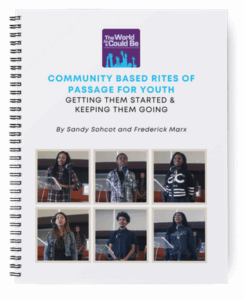
Rites of passages have been essential parts of indigenous, religious and cultural communities throughout time, though have not been fully recognized and valued in our secular, everyday world. As Sandy noted in her opening of the February 19th webinar, we believe that providing rites of passage for our youth can be a catalyst for strengthening the human capital of a community, which in turn provides the foundation for collective efforts to bring about the positive social change that engenders equality, equity, justice and dignity for all.
We hope all of this information helps ignite widespread appreciation for and implementation of this deeply meaningful process.
Let us know how we can help!
Sandy Sohcot at sandy@theworldasitcouldbe.org
Yvonne Vissing at yvonne@theworldasitcouldbe.org
Articles and Videos About ROP Initiatives
“Year long Rite of Passage at REACH”
Documentary By Frederick Marx and Warrior Films
First The World As It Could Be Is Within REACH Culminating Ceremony

FROM ANGER TO ACTION: How Knowledge of the UDHR and Social Justice Advocacy Generate Positive Change
The World As It Could Be Human Rights Education [...]
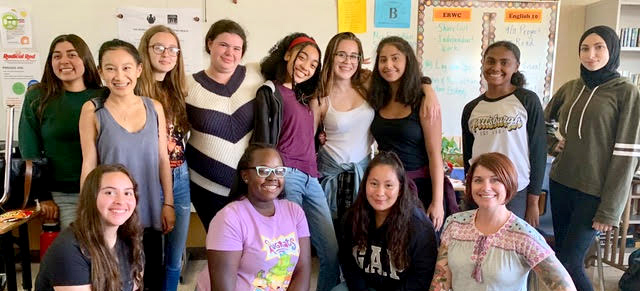
2019-20 Class Of The World As It Could Be Is Within Reach Rite Of Passage Program at Arroyo High School
We will provide updates to this page, following up [...]
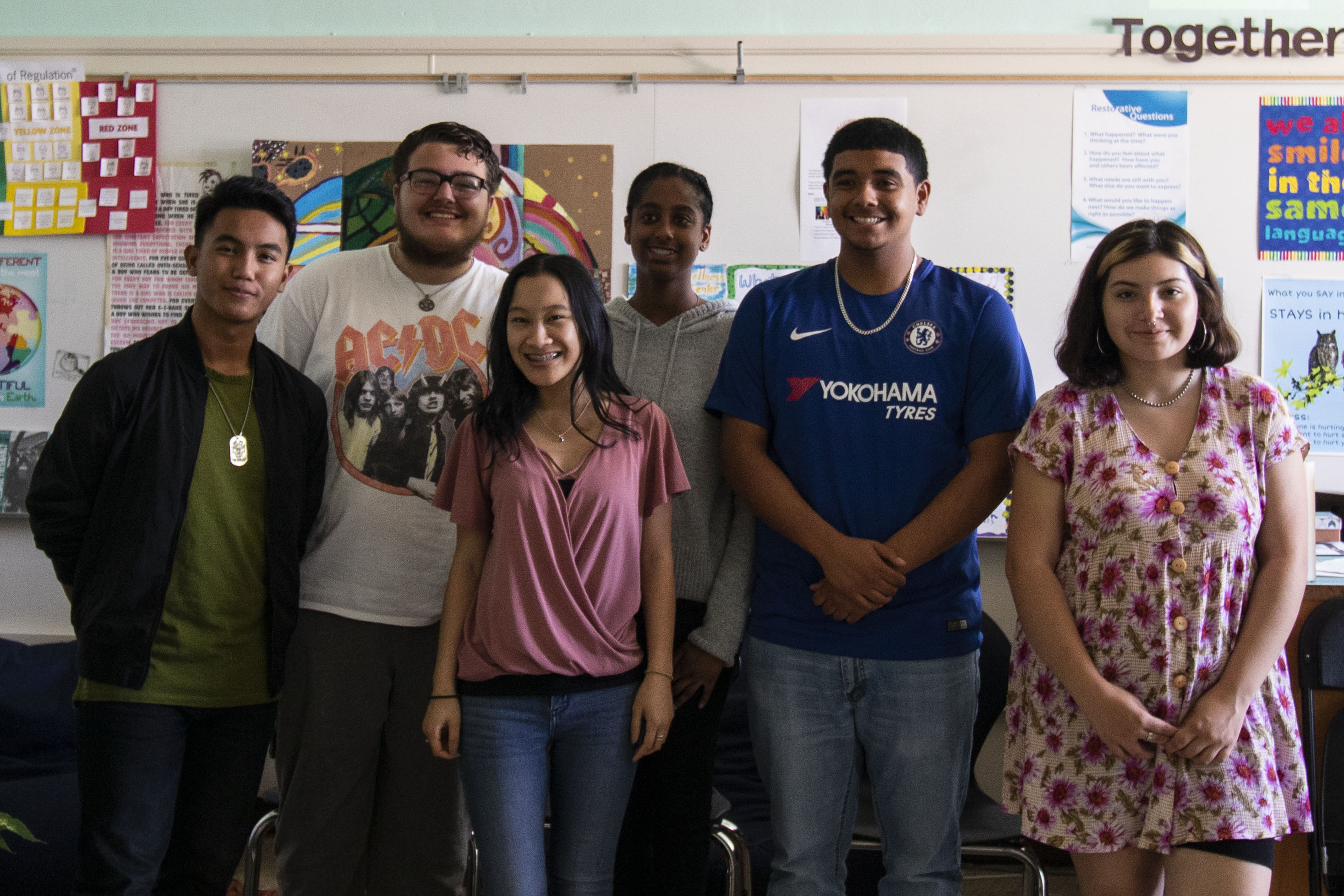
2018–19 Class Of The World As It Could Be Is Within Reach Rite Of Passage Program at Arroyo High School
Since Mid-September 2018, Arroyo students that are part of [...]
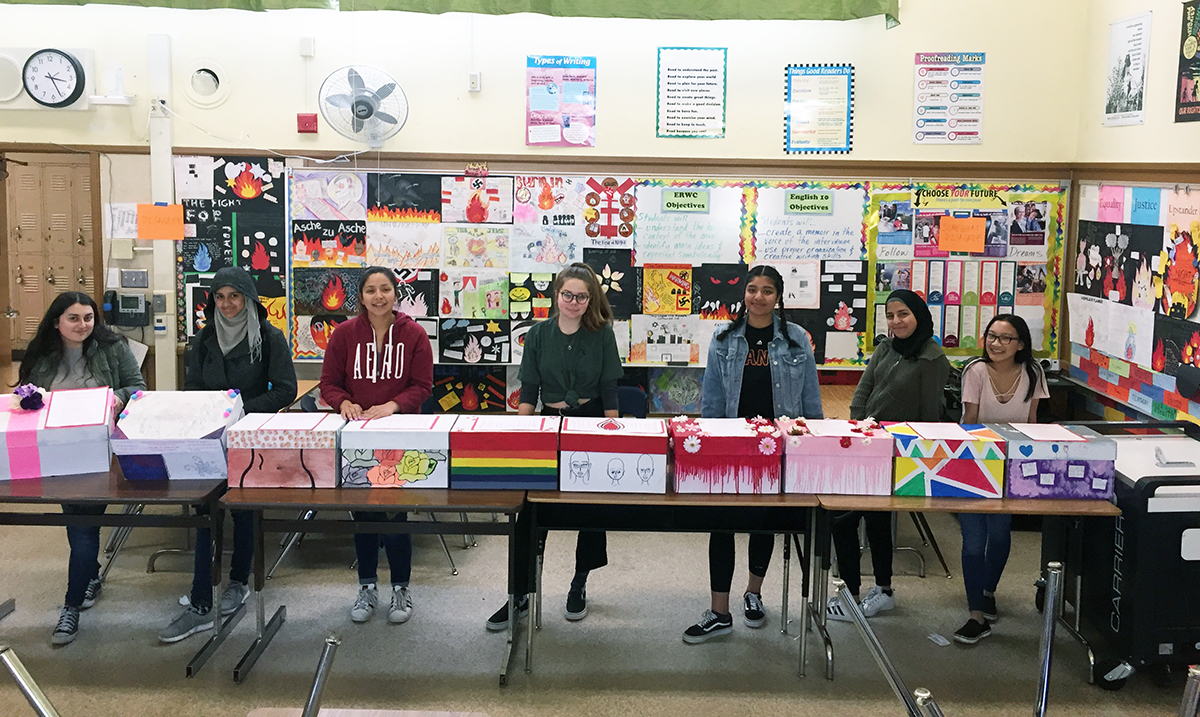
ROP Students Launch ‘Radical Red’ Project
In early December 2017, the Arroyo Rite of Passage class [...]
TWAICB Is Within Reach at Arroyo High School Launches 2017-2018 Rite of Passage Class
Tuesday, September 12th marked the start of Arroyo High School’s [...]
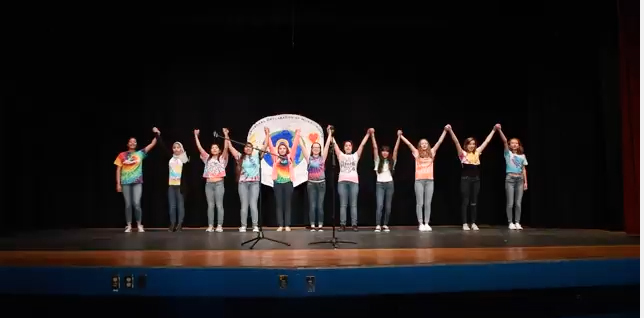
We Are All Different, Yet We Are Equal. Difference Is Beautiful
Watch the video! On May 31st, the 11 Arroyo High [...]